Back to news
Technical note
Why D-SUB persists
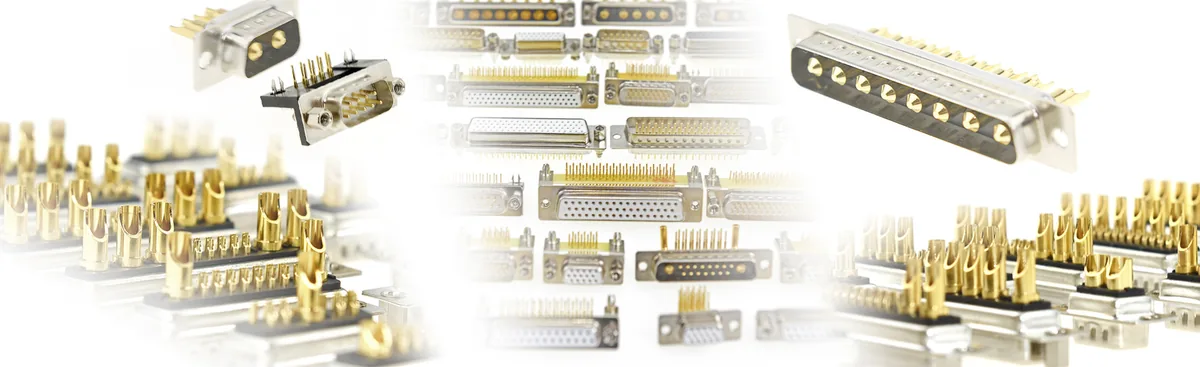
D-SUB survives because of its shell: the D shape aligns before the contacts engage, which protects pins from bent-knuckle damage in blind mating. Five standard shell sizes cover 9 to 50 ways, and the same shell accepts signal, coaxial and high-current machined contacts.
That flexibility is why a 1950s design is still specified on new equipment. The limitation is density — above 50 ways, or above a few hundred mating cycles in a harsh environment, another family usually wins.